
If you are considering DI VIP rhinoplasty in Seoul and travelling with a companion, organize the visit around communication and follow-up—not the idea that bringing someone guarantees access to the operating room or a particular result. The useful question is what role that person can actually have in your individual care plan.
This guide helps you prepare travel and consultation questions. It does not recommend surgery, determine consent authority or replace clinical advice. Suitability, expected effects, price and recovery require individual evaluation; an assessment can lead to another option or no operation.
Confirm which consultation you are arranging
DI describes VIP Rhinoplasty as an individualized revision approach involving the patient’s own rib cartilage. Its page discusses a planning model and patient or guardian review of materials or shape where appropriate. Ask the clinic which parts of that description apply to your case before planning a companion’s attendance.
This is different from buying a fixed travel package. For general graft-related travel questions, read the rib-cartilage consultation trip guide. For an estimate, use the separate revision-rhinoplasty price-planning article. Neither establishes the review process available to you.
Understanding vip rhinoplasty planning
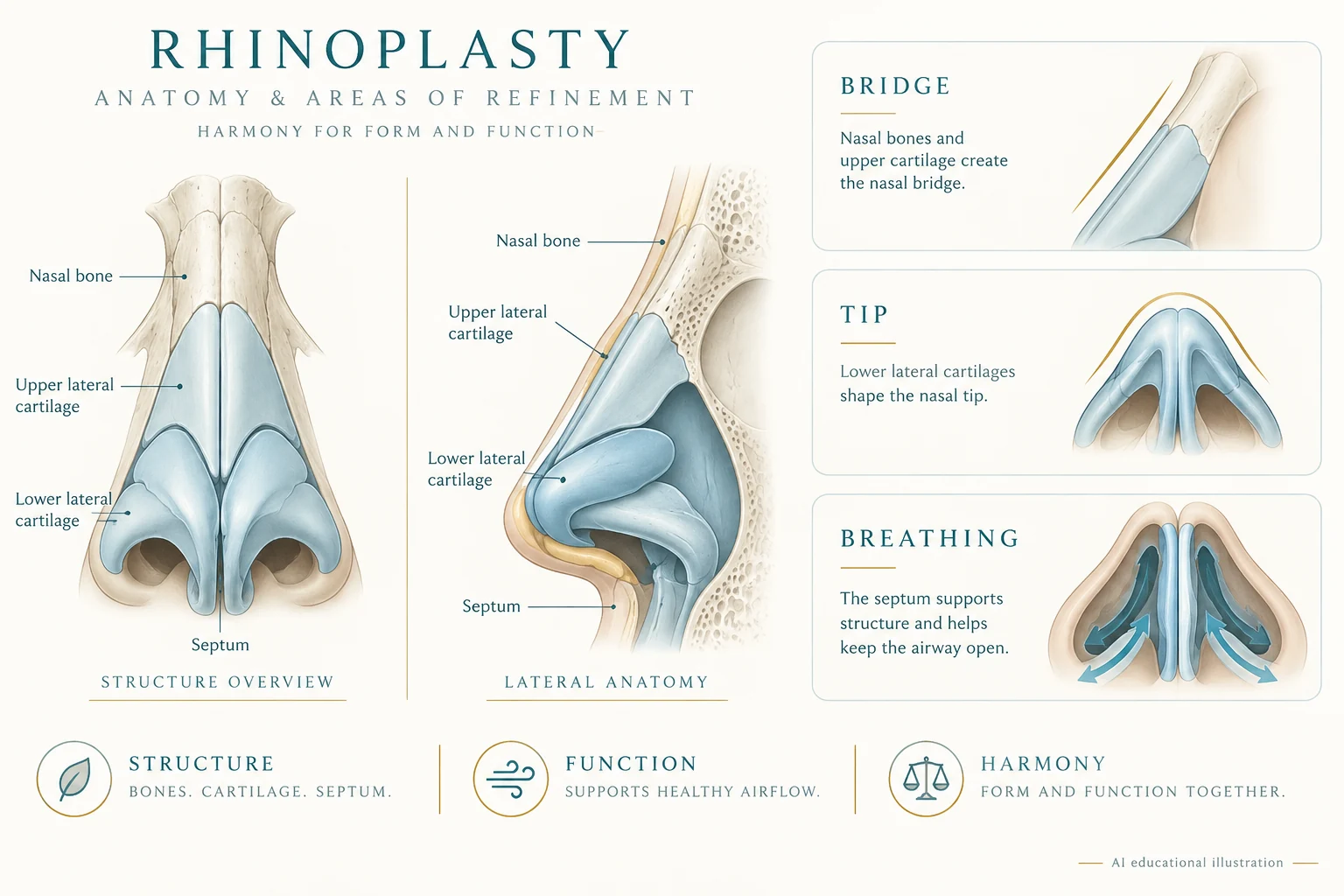
VIP is a service or program name and does not identify a single surgical technique. A useful consultation translates that name into the actual bridge, tip, airway and revision steps proposed for the individual patient.
Ask whether the plan involves previous implants, cartilage grafts, a functional component or additional procedures. Separate the medical plan from coordination services, privacy arrangements or travel support so that consent and pricing are clear.
A companion can help with practical arrangements, but cannot replace clinical monitoring or postoperative instructions. Confirm who receives medical updates, the expected review appointments and how an unexpected symptom will be escalated.
Choose a support role before making reservations
Ask whether a companion can join the consultation, help record questions, receive agreed updates or assist with transport after treatment. Confirm the clinic’s rules for waiting areas, visiting hours and discharge arrangements. Do not assume that a relative, friend or tour coordinator can enter a clinical area or approve changes simply because they accompany you.
Decide what information you want shared and ask how that permission is recorded. A support person can help communication without replacing your own decision. Discuss consent while you can consider the explanation, before sedating medication; ask the clinical team about any legally relevant representative arrangements rather than relying on this travel guide.

Arrange language support for decisions, not just directions
State your preferred language when requesting the appointment. Ask whether suitable interpreting is available for the surgeon’s explanation, material alternatives, risk discussion and postoperative instructions, and whether it costs extra. A companion’s conversational language ability does not establish medical interpreting competence.
Request enough time to ask questions and confirm your understanding. Prepare a short list covering your priorities, prior operations, proposed materials and alternatives. ASPS outlines consultation topics including medical history, allergies and medicines. Provide relevant records through the clinic’s designated clinical channel, not a general travel inquiry.
What the proposed procedure should specify
Request the exact procedure and materials rather than a package name. No exact VIP line-item price was found in the checked guide.
Before consent, ask the clinician to name the operation and alternatives, explain the main objective and limitations, and confirm the person responsible for treatment and postoperative review. A schematic, a price item or a case video cannot establish suitability for an individual patient.
Price confirmation for the named procedure
No exact matching price item was verified in the checked DI 2026 English Price Guide. A price from a similarly named operation is not substituted. Request the exact procedure, package inclusions and current written quotation.
| Procedure | Verified price | Next step |
|---|---|---|
| VIP rhinoplasty planning | No exact named price verified | Request a current itemized clinic quotation |
Ask how the described review process affects your timetable
Before booking two people’s flights, ask who would communicate with the companion, whether they must remain nearby, how they are contacted and what happens if they are unavailable. Also ask whether a review of shape or materials is clinically appropriate for the actual anesthesia and procedure proposed. The website does not guarantee patient participation during surgery.
Keep both schedules flexible for examination, indicated tests, discussion and follow-up. Do not arrange an immediate onward trip around an advertised appointment length. A planning model is a communication aid, not a promise of appearance after healing. Confirm the actual surgery date only after the assessment and consent process.
Plan accommodation and transfers around the clinic’s instructions
Choose arrangements that allow practical access to confirmed appointments and a place to rest. Ask whether assistance is needed after anesthesia, how discharge transport should be organized and whether the companion can provide that support. Confirm pickup details with the treating team; do not substitute an online itinerary for their instructions.
If rib cartilage harvesting is proposed, ask about care for both the nose and donor site, including any restrictions affecting luggage, washing, sleep or movement. Do not assume nasal care instructions cover the donor site. Ask what equipment or supplies, if any, the clinic actually recommends before buying them.

Keep departure separate from initial recovery estimates
Ask for the expected review sequence, which visits must occur in Seoul and who assesses you before departure. Obtain an individual travel recommendation that accounts for the actual operation, donor site and your condition. A short stay or reduced visible swelling does not prove that you have healed or can safely fly.
The CDC notes that surgery and air travel can increase blood-clot risk and emphasizes continuity of care after treatment abroad. Arrange relevant records and a follow-up contact before leaving. See its medical-tourism guidance; do not convert a general travel interval into personal clearance.
Prepare for problems as well as a routine visit
Rhinoplasty carries risks including infection, anesthesia problems, breathing difficulty, altered sensation, scarring and possible further surgery. Cartilage harvesting needs its own risk discussion. Ask about urgent contact arrangements, emergency care, unplanned extra nights and additional treatment costs. ASPS explains rhinoplasty risks; a companion or VIP process does not eliminate them.
Clarify insurance exclusions and the budget for changed travel dates without assuming coverage. If you suspect a complication, seek medical care rather than waiting for your flight or an online reply. Your companion’s practical support cannot replace assessment by a healthcare professional.
Start with a general inquiry, not sensitive documents
Through KOMD’s inquiry channel, share your consultation interest, preferred language, tentative dates and whether someone will accompany you. Ask the clinic to confirm appointment availability, language arrangements and companion rules. Do not send passport numbers, payment details or complete medical records through a general form.
The three explanatory images are AI-generated, not actual patient encounters or clinical evidence. No exact VIP Rhinoplasty-labelled case was verified in the designated DI Before & After gallery, so no patient pair is reproduced. Other revision cases, procedure-page images and Real Selfies have not been used as substitutes. Outcomes and recovery vary.
Sources
- DI: official VIP Rhinoplasty description
- ASPS: consultation preparation
- ASPS: risks and safety
- CDC Yellow Book: medical tourism and continuity of care
Preparation, aftercare and travel milestones
Before surgery, document previous nose operations, implants or grafts, breathing symptoms and injury history. Bring operative records where available. Review medicines, allergies and smoking or nicotine use with the team, and obtain specific preparation instructions.
Confirm splint, packing and suture arrangements and how to care for them. Avoid manipulating dressings or the nose without instructions. Ask about pressure from glasses, nose blowing, sleeping position and return to exercise. Early swelling can affect the apparent bridge and tip; a day-7 or one-month image is not a final result.
Arrange travel around the clinician’s review schedule, not around a generic blog timeline. Ask what symptoms should prompt immediate contact, when flying is suitable and how subsequent follow-up will continue after returning home.

Risks and symptoms to discuss before consent
Discuss bleeding, infection, scarring, asymmetry, breathing changes, material or graft concerns and possible revision. If cartilage harvesting is planned, discuss donor-site risks separately. Unexpected severe symptoms require assessment rather than comparison with an online photograph.
Ask which risks are most relevant to your examination, how complications would be handled, and what alternatives include postponing or not having treatment. Obtain written instructions from the treating team; a general article cannot replace them.
Questions before surgery and travel
Can the standard rhinoplasty fee be treated as a VIP package price?
No. No exact VIP package amount was verified. The clinic must confirm the specific surgical and service inclusions.
Who confirms my final treatment plan and quotation?
The treating medical institution confirms suitability, the procedure, consent and the current itemized medical quotation. KOMD helps coordinate information and travel arrangements.
Does an early recovery estimate mean that I can fly?
No. Required reviews, wound or suture care and individual travel clearance must be confirmed by the treating clinician.
Procedure explanations and educational illustrations updated 7 October 2026. DI procedure information. Illustrations are AI-generated concepts, not actual patients or results. Medical decisions and current fees require clinic confirmation.