
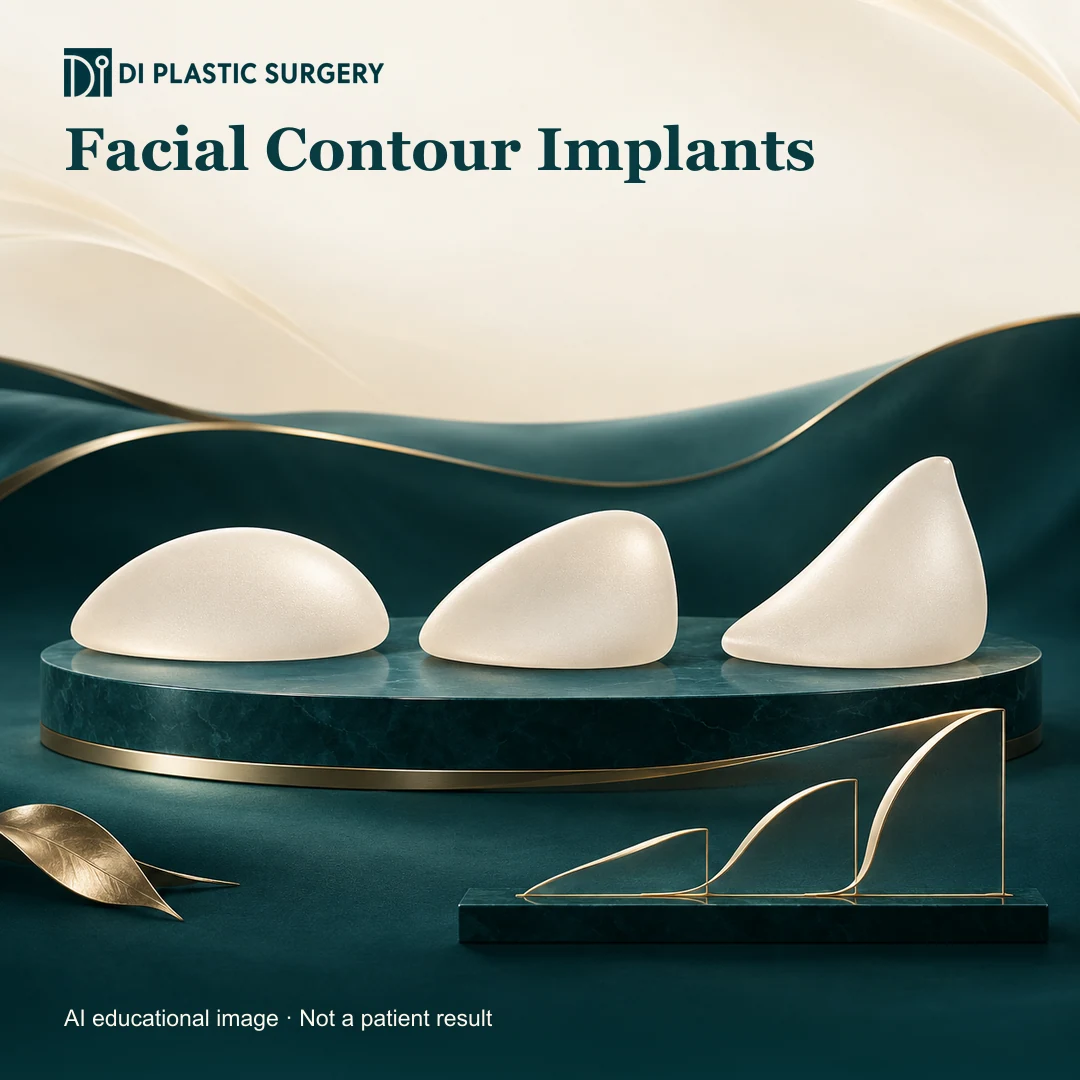
When planning a facial-implant consultation in Seoul, arrange the trip around the proposed treatment area and review appointments—not a generic one-week stay. A forehead, paranasal or chin discussion can lead to different incision care and follow-up needs. The name of the procedure alone does not tell you when you can travel home.
This guide is for organizing a consultation and continuity of care. It does not determine whether you need an implant or recommend a material. Suitability, effects, price and recovery require individual clinical evaluation, and assessment may lead to a different approach or no treatment.
Confirm what your consultation will cover
Describe the concern in plain language and ask which area needs assessment. The official DI facial-contour implant overview discusses forehead, paranasal and chin options. It also describes the patient’s own rib cartilage as a possible alternative in paranasal planning. Do not assume the same material, operation or schedule applies to every area.
Ask whether an assessment-only visit is possible before committing to surgery. If the concern is the chin, use the separate chin-surgery consultation guide to prepare questions about the distinction between implant augmentation and bone procedures. These are different planning discussions, not interchangeable packages.
Understanding facial contour implants
Facial implants add contour to a selected area rather than reducing bone. Planning identifies the anatomical site, material, dimensions and fixation or placement approach. A forehead implant and a chin implant are different operations.
Ask whether a standard or customized material is proposed, how it is selected and whether bony surgery or another approach is an alternative. A custom-material fee is separate from a procedure fee in the verified guide.
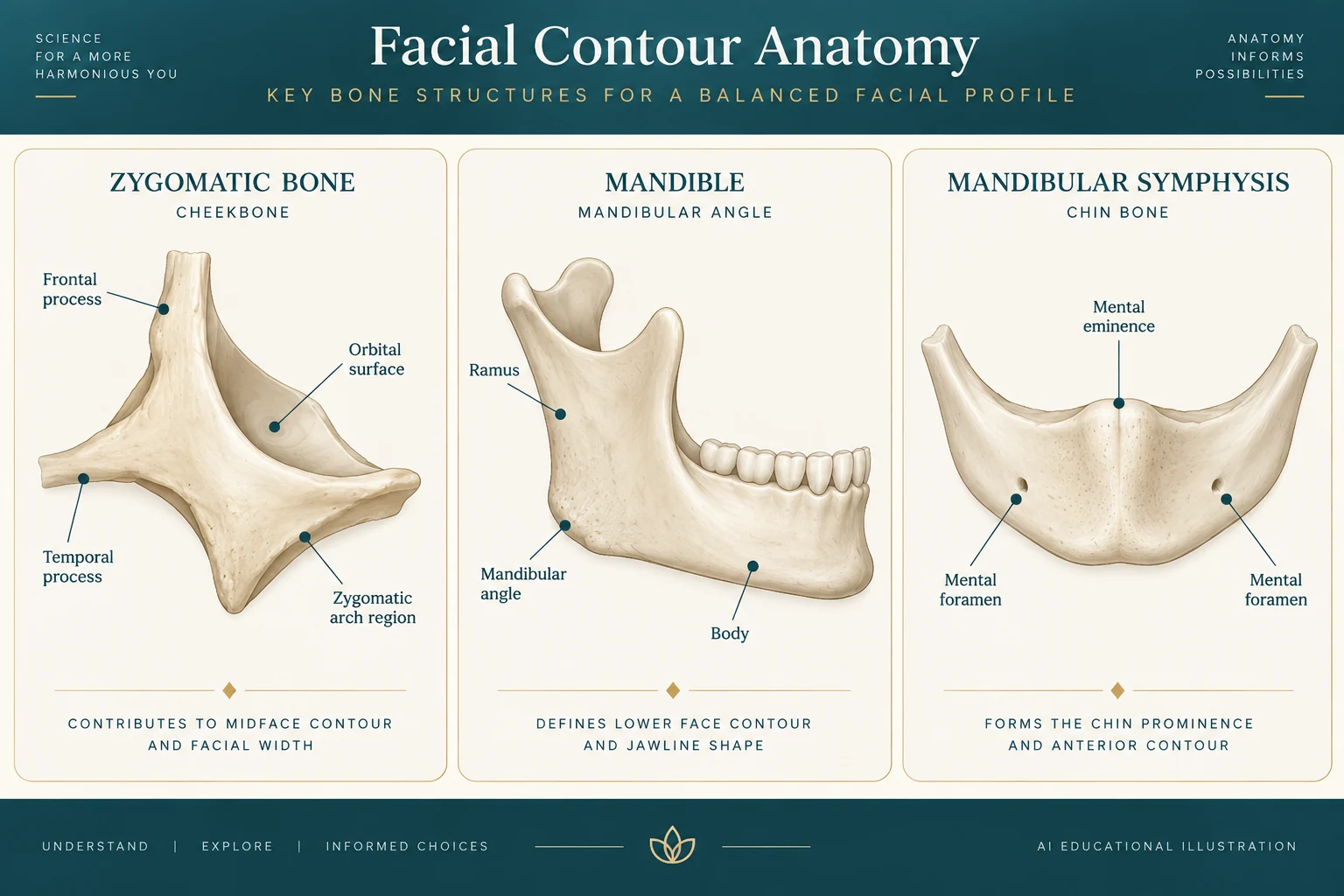
Consent should include infection, displacement, changes in sensation and the possibility of removal or revision. Ask what happens if the material is not tolerated and which follow-up visits are planned. The bone illustration identifies regions without representing an actual implant design.
Request an appointment sequence before booking a return flight
Ask for the anticipated sequence: examination, any indicated tests, consent discussion, treatment if suitable, wound reviews and a review before departure. Confirm which appointments must be in person, who performs them and how the clinic communicates schedule changes. Keep enough flexibility for the examination to change the proposal.
DI’s overview lists short initial recovery and limited follow-up visits, but those general estimates do not guarantee your appointment count, complete healing or flight readiness. Ask about the actual incision and closure, whether sutures or dressings need attention, and what would happen if departure must be delayed.
Prepare questions about the material without choosing it yourself
Before travelling, ask whether the consultation can explain the exact proposed material, product information, fit and alternatives. A phrase such as individually fitted does not identify a manufacturer or establish which implant is appropriate for you. Request a plain-language explanation during clinical assessment.
Bring available details of previous facial surgery, implants, fillers or threads through the clinic’s agreed clinical channel. For a general travel inquiry, your concern, preferred language and tentative dates are enough. Do not send passport numbers, payment details or complete medical records through a general contact form.
What the proposed procedure should specify
Request the exact implant site and material, any separate customization charge, and a written explanation of removal or revision arrangements.
Before consent, ask the clinician to name the operation and alternatives, explain the main objective and limitations, and confirm the person responsible for treatment and postoperative review. A schematic, a price item or a case video cannot establish suitability for an individual patient.
Verified DI price guide: KRW, VAT included
Source: DI 2026 English Price Guide, dated 11 September 2026, page 6; checked on 7 October 2026. The guide labels these as general prices in Korean won with VAT included.
The separately named procedure/package options below span KRW 1,500,000–2,000,000, VAT included. This range compares different scopes; it is not a promised total for one operation.
These rows are different procedures, packages or add-ons. An add-on is not the full operation price. The guide’s price does not establish which anesthesia, materials, tests, medicines, aftercare or additional procedures are included in your case. Request an itemized current quote before booking.
| Verified item | KRW, VAT included | Price scope |
|---|---|---|
| Forehead implant | KRW 2,000,000 | Listed procedure fee |
| Zygoma / anterior-cheek implant | KRW 1,600,000 | Listed procedure fee |
| Chin implant | KRW 1,500,000 | Listed procedure fee |
| 3D custom implant material | KRW 1,100,000 | Add-on only; not a standalone procedure price |
Make incision care part of your accommodation plan
Ask whether the proposed access is through the scalp, inside the mouth or another location, and request area-specific care instructions. An oral incision may prompt different practical questions from a scalp incision. The clinic must confirm what applies; a category page is not a personal prescription.
Discuss washing, food, mouth care, dressing care, sleeping arrangements and pressure on the treated area where relevant. Ask what supplies, if any, are recommended and whether assistance is needed. Do not add a mouthwash mixture, massage, salon treatment or cosmetic service based on an online itinerary.
Keep journeys simple and confirm accompaniment
Have the confirmed clinic address, appointment details and contact route available offline. Choose accommodation for convenient access and the ability to extend the stay, rather than a promised recovery benefit. Ask whether stairs, long transfers or luggage handling conflict with the team’s instructions.
If anesthesia or sedation is proposed, confirm accompaniment and transport arrangements directly with the clinic. Do not assume you can navigate a crowded station or travel alone immediately afterwards. A driver, hotel or travel coordinator does not provide medical monitoring or clear you for departure.

Separate the treatment quote from contingency costs
Request an itemized estimate covering the proposed operation, material, anesthesia, tests and reviews. Ask which additional assessments would be charged and how cancellations or changes are handled. No universal facial-implant fee or required Seoul stay length has been established for this guide.
Budget for a changed return date and extra care if needed. The CDC’s medical-tourism guidance recommends planning follow-up and checking coverage for complications. Read your own insurance exclusions; routine travel insurance should not be assumed to cover elective surgery or implant revision.
Keep an implant record for care after the trip
If treatment proceeds, ask for the procedure summary, material and device details where applicable, medicines, care instructions and a named follow-up contact. Obtain records in a language that future clinicians can use. Clarify how long-term concerns would be reviewed and whether remote contact is sufficient for a particular problem.
Facial implants can involve infection, movement, sensory changes, persistent pain, contour problems, scars and further surgery, as described by ASPS. Ask the surgeon about your risks and warning signs. New or concerning symptoms need clinical assessment; online messages should not delay urgent care.
Understand the original case’s limited scope
The unchanged photographs below come from designated DI gallery case 130, labelled Chin implant, 45°, 1 month after surgery. This is specifically a chin-implant example, not a forehead or paranasal implant result. Its material and manufacturer are not stated in the gallery and have not been inferred.
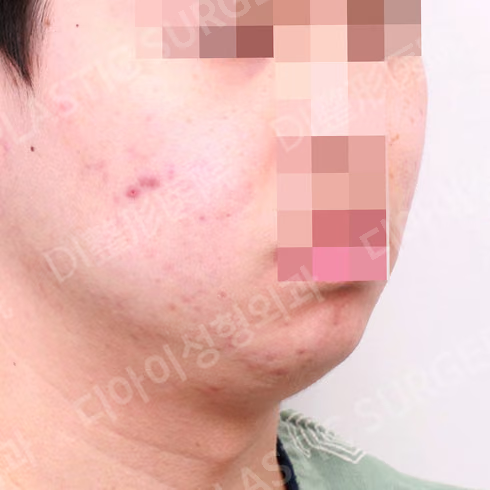
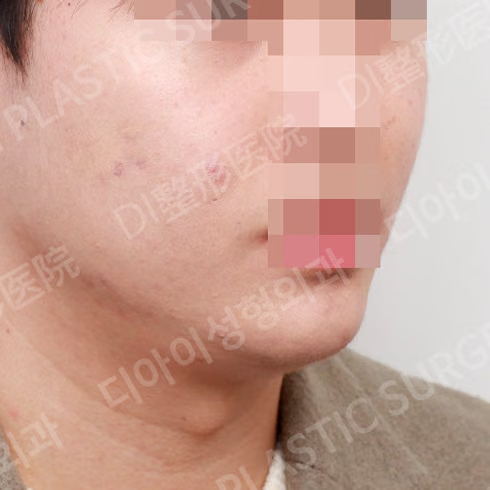
Case 130 · Chin implant · 45° · 1 month after surgery. Results and recovery vary. The designated original DI gallery shows a relative postoperative interval, not calendar capture dates. One month does not establish complete healing or your required stay. Original composition, watermark and privacy masking are retained without cropping, generated editing or added branding. These two photographs remain hosted by DI; all explanatory illustrations are AI-generated.
Confirm departure and a route to local care
Ask the treating team to review travel readiness for your condition and itinerary. Air travel and recent surgery can add blood-clot risk; no date in this article clears you to fly. Keep a local clinical contact at home and share relevant overseas records if further assessment is needed.
Use KOMD’s consultation contact for practical coordination and DI’s consultation information for the clinic’s process. Clarify each organization’s responsibilities. The treating team makes clinical decisions; coordination is not a substitute for examination, consent or follow-up.
Sources and scope
- DI: published treatment areas, material alternatives and general aftercare
- ASPS: facial-implant risks and safety
- ASPS: individualized recovery and follow-up questions
- CDC Yellow Book: medical tourism and continuity of care
- Original DI gallery: Chin implant case 130
Sources checked October 4, 2026. This is an independent travel-planning article, not personalized medical advice, a device recommendation or an outcome guarantee.
Preparation, aftercare and travel milestones
Before treatment, distinguish bone, muscle and soft-tissue concerns with the clinician. Ask which imaging, dental or other assessments are indicated. Bring previous operative or implant records and review medicines and health conditions before anesthesia planning.
Confirm oral or external wound care according to the chosen incision, dietary instructions, dressings and review appointments. Ask about expected swelling and sensory changes and which symptoms require earlier assessment. An estimate of initial recovery does not establish complete bone or soft-tissue healing.
Schedule follow-up before booking fixed travel. Ask whether any sutures need removal and how chewing, exercise and flight timing should be managed. Keep a copy of the operation and material details for future clinicians if further care is needed.

Risks and symptoms to discuss before consent
Discuss bleeding, infection, asymmetry, changes in sensation and possible revision. Bone procedures require discussion of healing and surrounding nerves; implants require material, displacement and removal discussions. The relevant risks depend on the exact operation.
Ask which risks are most relevant to your examination, how complications would be handled, and what alternatives include postponing or not having treatment. Obtain written instructions from the treating team; a general article cannot replace them.
Questions before surgery and travel
Is a custom implant material fee the total operation price?
No. The KRW 1,100,000 item is a material add-on. The site-specific operation and any other fees must be confirmed.
Who confirms my final treatment plan and quotation?
The treating medical institution confirms suitability, the procedure, consent and the current itemized medical quotation. KOMD helps coordinate information and travel arrangements.
Does an early recovery estimate mean that I can fly?
No. Required reviews, wound or suture care and individual travel clearance must be confirmed by the treating clinician.
Procedure explanations and educational illustrations updated 7 October 2026. DI procedure information. Illustrations are AI-generated concepts, not actual patients or results. Medical decisions and current fees require clinic confirmation.