
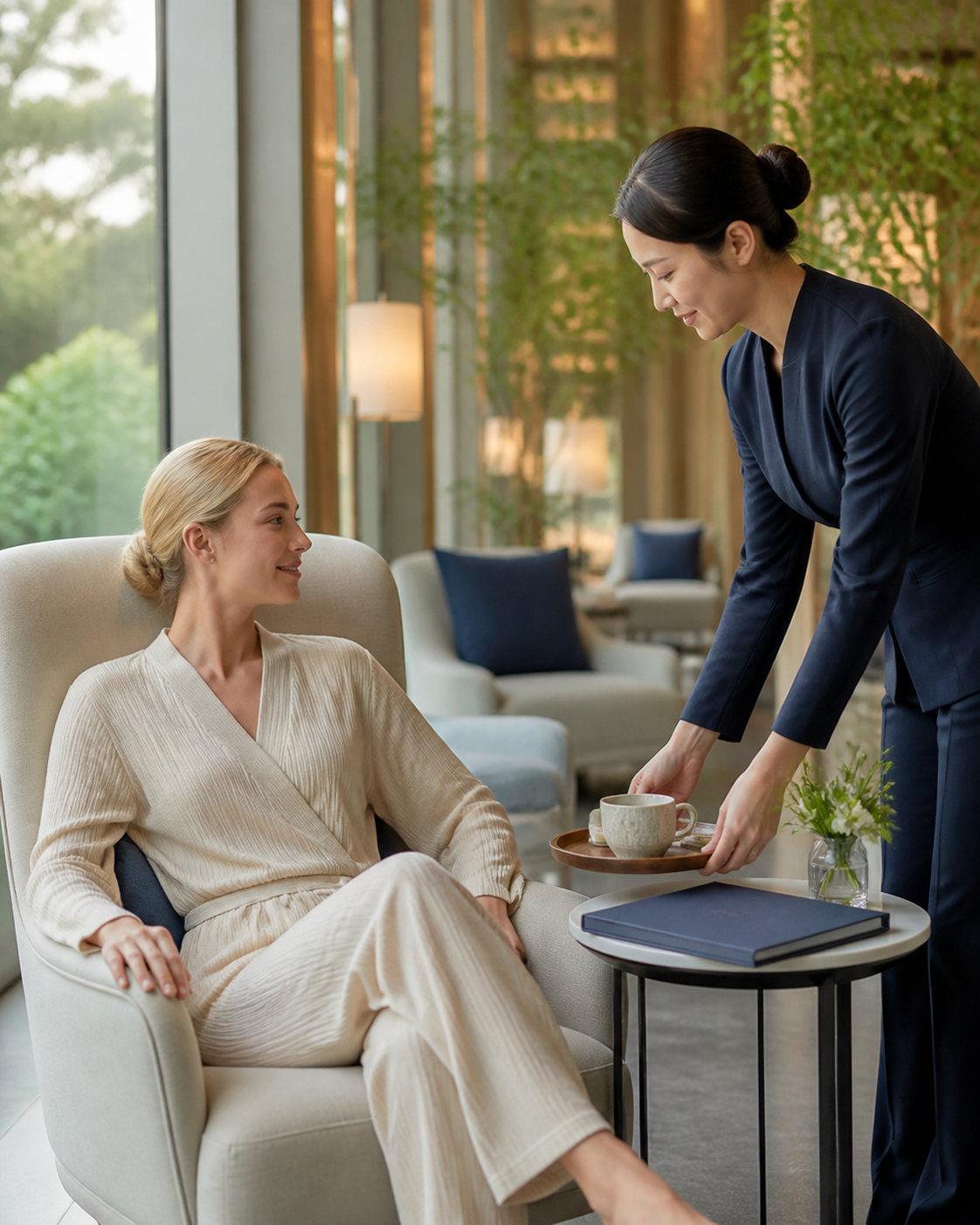
Korea health and wellness travel can combine medical appointments with comfortable accommodation, rest, nutrition and carefully selected activities. The purpose is to support a manageable travel experience—not to promise faster healing or replace clinical aftercare.
What Medical Wellness Travel Means
Medical wellness travel focuses on the environment and logistics around care. It may include a quiet hotel, accessible transport, meals consistent with any clinic-provided dietary guidance, planned rest and a schedule that can change if the treating clinic advises it.
Rest, Sleep and Nutrition During a Medical Trip
Patients should follow procedure-specific guidance from their medical team. Dietary needs, allergies, medication schedules and mobility limits should be discussed before booking accommodation or activities.
Building a Procedure-Specific Recovery Plan
A useful plan confirms the expected appointment schedule, the clinic’s activity restrictions, who to contact after treatment and how long the patient should remain nearby. Recovery time and restrictions vary by person and procedure.
Why Some Patients Consider Cheongju
Cheongju can offer a quieter itinerary for patients using regional medical providers or Cheongju International Airport. It may also provide access to local cultural and nature destinations, but destination choice should follow the required specialist and travel route.
Wellness Activities to Discuss With Your Doctor
Ask before using hot baths, mineral springs, saunas, massage, exercise, alcohol, sun exposure or long walking routes. Activities such as Chojeong or Cheongnamdae should be treated as optional tourism and postponed when they conflict with medical advice.
How KOMD Coordinates Treatment and Recovery Logistics
KOMD can connect confirmed appointments with transportation, accommodation, interpretation and schedule adjustments. It does not provide medical treatment or emergency monitoring.
A Recovery-Safe Wellness Checklist
- Ask the treating clinic which activities, foods, medicines and skincare products are restricted.
- Keep the clinic’s after-hours contact details and written recovery instructions accessible.
- Choose accommodation and transport that fit mobility, privacy and follow-up needs.
- Plan meals that support any clinic-specified dietary needs and leave room for rest rather than a tightly packed sightseeing schedule.
- Tell the coordinator about allergies, accessibility needs and travel companions before booking.
Use Wellness as Support, Not Treatment
Comfortable accommodation, meals consistent with clinic-guided dietary needs and permitted light activities may support the travel experience, but they do not replace diagnosis, treatment or clinic-directed aftercare. The World Health Organization’s patient-safety guidance reinforces the importance of clear communication, medication safety and coordinated care. Travelers should confirm all recovery choices with the licensed clinician responsible for their treatment.
Related KOMD Guides
Explore medical travel in Cheongju, review the patient safety checklist, and read the arrival-to-recovery guide. You can also request a private consultation with KOMD.
Last updated: August 8, 2026. Prepared by: KOMD medical travel coordination team.
This article provides general medical-travel information, not medical advice. Treatment eligibility, timing, risks, recovery and outcomes vary by individual and must be assessed by a licensed medical professional. KOMD coordinates travel and communication; medical decisions and care are provided by the treating clinic.